
From the Tri-Valley’s emerald hills to warm, light-filled shared spaces, The Whitford of Dublin is being created to feel like it was always meant to be there. Opening in late 2026, this beautifully designed community is already taking shape with a clear sense of purpose: to create a place where residents feel at home in the city they’ve always loved.
We sat down with Susan Shen, senior project designer and project manager at RVD Design, to talk about The Whitford’s design and why the East Bay is one of the senior living community’s biggest influences.
Senior Living Design Has Changed
Anyone who has toured a new construction senior living community recently can tell you senior living doesn’t look or feel anything like it used to. The best senior living development today borrows more from a boutique hotel than from traditional, institutional-feeling facilities.
“Residents are seeking spaces that feel contemporary, sophisticated and welcoming,” Shen said. “We’re seeing a greater demand for richer finishes, elevated amenities and thoughtfully curated color palettes that reflect a more luxurious, hospitality-inspired experience.”
That shift showed up in senior living construction from the start. RVD Design began with the experience they wanted residents to have, then built around it. “In many ways, we now approach senior living projects much like hospitality projects, creating beautiful, comfortable environments that support both lifestyle and well-being,” she said.
Letting the Outdoors In
What makes The Whitford’s senior living facility design stand out is how it’s tied to its location. Rather than importing a generic aesthetic, the design team looked to the East Bay’s natural beauty and rich character.
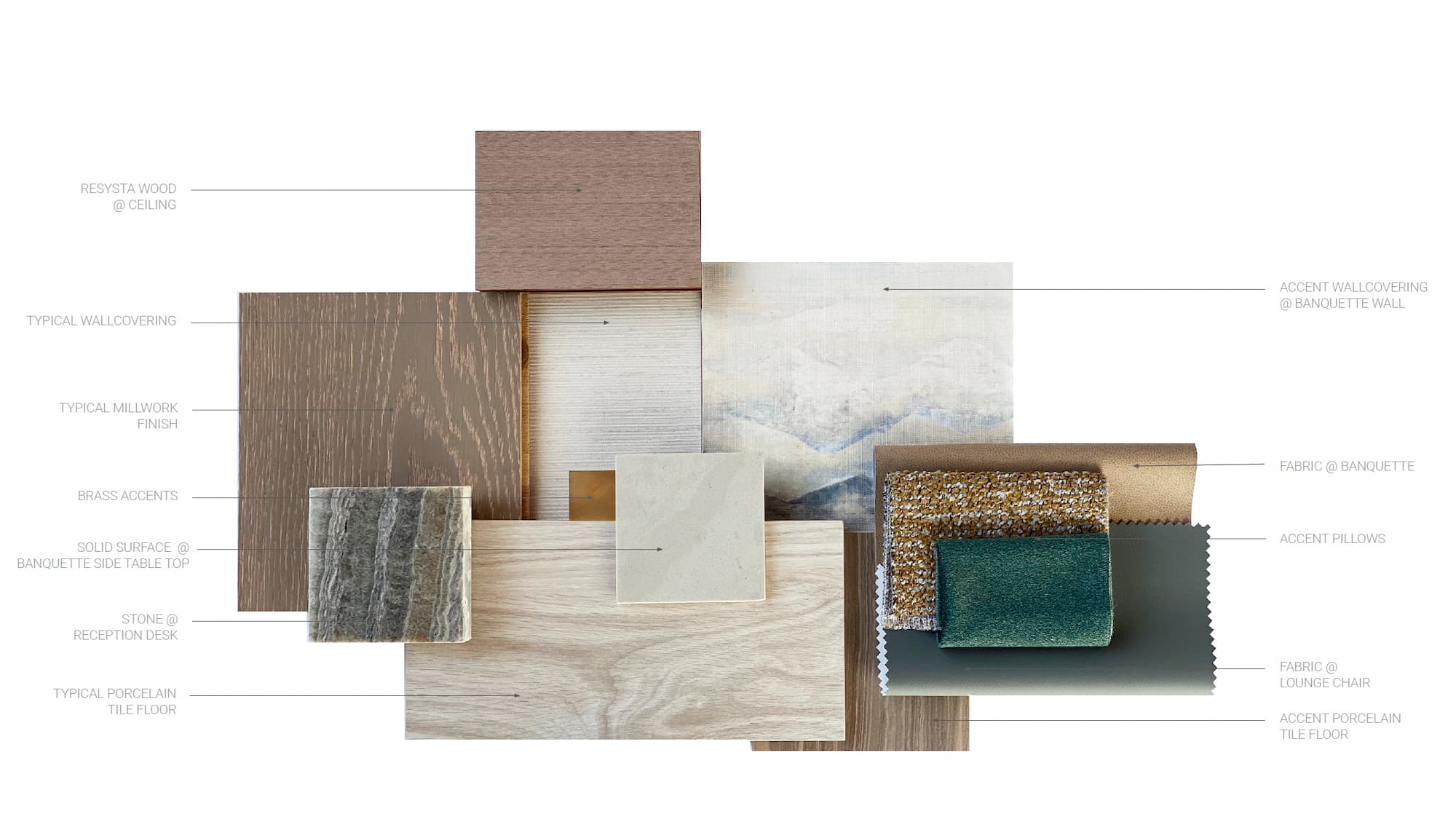
“We drew from the region’s landscape and heritage, incorporating a palette of greens, blues and golds inspired by the area’s nickname, ‘The Emerald of the Golden West,’” Shen said.
It’s a deliberate effort to root this senior living building in its surroundings, using color to evoke the rolling hills, open skies and natural beauty just outside its walls.
Natural light also played an integral role in the design firm’s selections, as it enhances the resident experience by creating bright, comfortable and uplifting spaces. That focus on light also speaks to a broader conversation happening across sustainable construction: how do buildings minimize their footprint while maximizing comfort?
The building’s orientation toward natural light reflects a growing industry awareness of how the environmental impact of construction and resident wellness are increasingly intertwined. Maximizing daylight is an aesthetic choice, but it’s also one of the simplest ways a building can reduce reliance on artificial lighting.
Shen added, “Our design approach maximizes connections to the outdoors whenever possible, creating a seamless relationship between the interior environment and the beauty of the East Bay setting.”
See how these design ideas are taking shape in The Whitford’s community gallery.
Designed for Confidence and Belonging, Not Just Comfort
Beyond aesthetics, The Whitford’s design team thought about how residents would move through and experience the space, particularly when it comes to wayfinding.
“We incorporated colorful, distinct artwork throughout the community to support wayfinding and help residents navigate with greater confidence,” Shen said. “These visual landmarks create memorable points of reference, making it easier for residents to identify different areas while also adding character, warmth and vibrancy to the environment.”
The team was equally intentional about what not to include. “We generally avoid overly busy patterns, as they can be visually confusing and may create challenges for some residents when navigating a space,” Shen said. “We also prioritize good lighting throughout the community, as well-lit environments enhance comfort, safety and ease of movement.”
For memory care and assisted living, those considerations become even more critical. “These environments must meet more stringent ADA and accessibility requirements,” Shen explained. “In memory care, we carefully consider color choices and contrast levels to create spaces that are comfortable, intuitive and visually pleasing.”
Where Technology Meets Everyday Life
Good design is about what residents see and what they can do. The Whitford will incorporate several technology-enabled features to keep residents active and engaged. These include Echelon fitness equipment for interactive classes, a golf simulator for recreation, and a multipurpose room with theater functionality for movie nights, presentations and community events.
These features speak to the question: how does construction affect the ecosystem of daily life within a community? When integrated well, technology supports a more active and connected lifestyle without ever feeling forced.
Design You Feel, Not Just See
Every decision, from color palette to furniture layout to lighting, comes back to one goal: making residents feel like they belong from the moment they walk through the door.
“We aim to create a sense of community and harmony by designing inviting spaces where residents can gather, connect and build relationships,” Shen said “An environment that is welcoming, comfortable and thoughtfully designed, fostering a strong sense of belonging from the very first impression.”
The Whitford’s Discovery Center is now open. Schedule a visit to explore floor plans, residences and everything our inspired senior living community has to offer.